
Surgery can be a necessary step toward better health, but the real work often begins afterward. Effective post-operative rehabilitation reduces pain, restores function, and helps you return to the activities you love sooner. At Holistic Physio & Fitness in Sydney, we specialise in tailored physiotherapy programs that support fast, safe, and long-lasting recovery after orthopaedic, abdominal, spinal and sports-related surgeries. This guide explains five evidence-based ways physiotherapy speeds recovery and outlines how our clinic’s patient-centred approach gets the best results.
-
Early Mobilisation Limits Complications Why it matters:
- Gentle movement soon after surgery reduces stiffness, prevents scar adhesions, improves circulation, and lowers the risk of complications such as deep vein thrombosis (DVT). How we help:
- Our physiotherapists provide safe, progressive mobilisation plans starting when your surgeon clears you. We use graded exercises, walking programs and breathing techniques to protect healing tissues while encouraging movement.
-
Individualised Exercise Prescription Restores Strength & Function Why it matters:
- Surgery often leads to muscle atrophy, reduced range of motion and altered movement patterns. A generic exercise sheet isn’t enough. How we help:
- We assess strength, joint mobility and movement quality, then design a phased program targeting specific deficits. Programs include neuromuscular re-education, progressive resistance training, balance and functional task practice to get you moving confidently and reduce re-injury risk.
-
Pain Management Without Over-Reliance on Medication Why it matters:
- Controlling post-op pain is essential for participation in rehab and quality of life. Reducing reliance on opioids and long-term analgesics lowers side-effect risks. How we help:
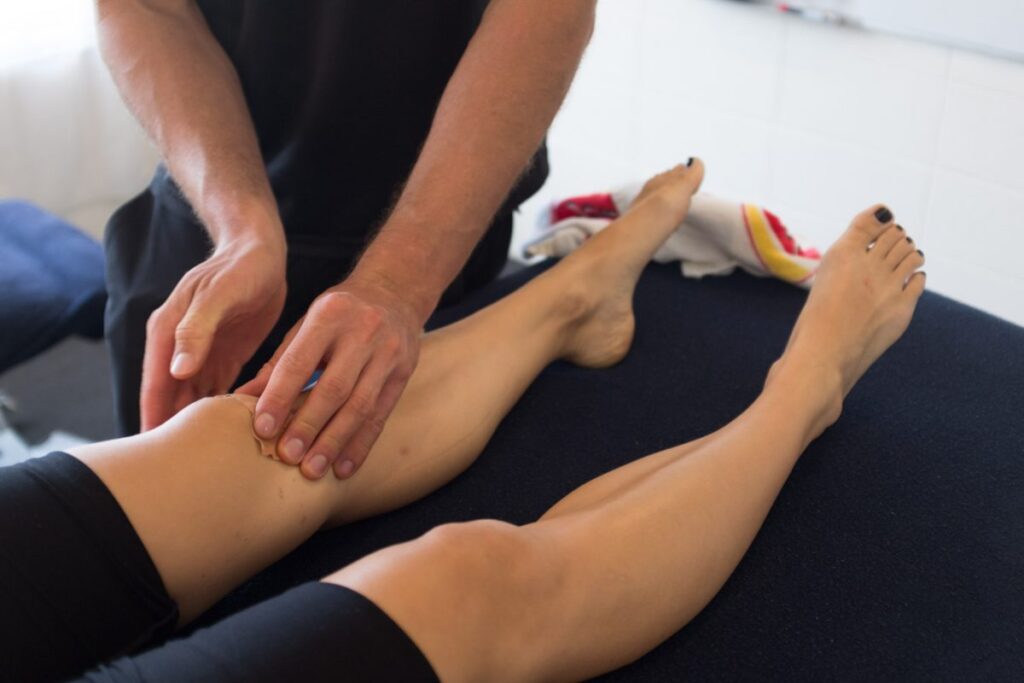
- We combine manual therapy (gentle joint mobilisation, soft tissue release), tailored exercise, education about pain neuroscience and modalities such as dry needling or taping when appropriate. Our goal: effective pain control that supports active rehabilitation.
-
Scar and Tissue Management Improve Mobility Why it matters:
- Scar tissue can cause tightness, numbness and limited motion — especially after abdominal, joint or tendon surgeries. How we help:
- We teach safe scar mobilisation techniques, prescribe targeted stretching and incorporate soft tissue treatments to optimise tissue glide. Early education on wound protection and progressive loading prevents problematic adhesions.
-
Functional Retraining for Return to Work, Sport & Daily Life Why it matters:
- Full recovery isn’t just about strength; it’s about returning to meaningful activities safely and confidently. How we help:
- Our rehabilitation is goal-focused. Whether you want to return to gardening, manual work, running or playing with your kids, we tailor functional training, simulated tasks and graduated sport-specific drills. We also provide workplace assessments and personalised return-to-work plans.
Why Choose Holistic Physio & Fitness
- Patient-centred care: We listen, set realistic goals, and educate you at every step.
- Multidisciplinary skills: Our clinicians integrate manual therapy, exercise prescription, Pilates-based rehab and fitness conditioning to cover every recovery stage.
- Evidence-based practice: Programs reflect current research and best-practice guidelines for post-surgical rehab.
- Local convenience: Located in Sydney with flexible appointment options to suit busy lives.
Practical Tips for Faster Recovery (Actionable Takeaways)
- Start moving as soon as medically safe — even small, regular walks help.
- Follow a progressive, supervised exercise plan rather than rushing home exercises alone.
- Communicate with your surgeon and physio about pain, swelling or unusual symptoms.
- Prioritise sleep, hydration and nutrition to support healing.
- Book an early assessment with a physiotherapist experienced in post-surgical rehab to create a personalised plan.
Book Your Post-Operative Assessment If you’re preparing for surgery or recovering now, early assessment and a structured rehab plan can make a big difference to your outcome. Book an appointment with Holistic Physio Fitness in Mona Vale, Northern Beaches, for a tailored post-operative physiotherapy program that gets you safely back to life’s activities.
Call us on [your clinic phone] or book online at https://holisticphysiofitness.com.au/
Some helpful links
- Book online / Appointment page: https://holisticphysiofitness.com.au/book-online
- Our services overview: https://holisticphysiofitness.com.au/services
- Post‑operative physiotherapy / rehab service page: https://holisticphysiofitness.com.au/post-operative-physio
- Pilates & rehabilitation: https://holisticphysiofitness.com.au/pilates
- Dry needling & manual therapy: https://holisticphysiofitness.com.au/manual-therapy
- About us / Meet the team: https://holisticphysiofitness.com.au/about
- Contact / Location (Northern Beaches): https://holisticphysiofitness.com.au/contact
- Northern Beaches health services / local council health page: https://www.northernbeaches.nsw.gov.au/health-wellbeing
- Find a Physio (Australian Physiotherapy Association): https://australian.physio/find-a-physio
- Post‑operative rehab guidelines (example review): https://www.ncbi.nlm.nih.gov/pmc/articles/PMC/ (replace with specific article URL you prefer)
- Opioid-sparing pain management (NHS guidance): https://www.nhs.uk/live-well/healthy-body/pain-management/
- DVT prevention after surgery (Healthdirect Australia): https://www.healthdirect.gov.au/deep-vein-thrombosis
- Scar management advice (Australian Dermatology or health site): https://www.beyondblue.org.au/ (replace with preferred scar-care resource)
- Book an assessment → https://holisticphysiofitness.com.au/book-online
- Learn more about our post‑operative programs → https://holisticphysiofitness.com.au/post-operative-physio
- Meet the team who’ll guide your recovery → https://holisticphysiofitness.com.au/about
- DVT prevention → https://www.healthdirect.gov.au/deep-vein-thrombosis

When diagnosed with cancer, the journey ahead can feel daunting. With the physical and emotional challenges that come with treatment, many people often wonder how they can maintain their strength and quality of life. One powerful tool that’s gaining recognition in cancer care is exercise. From maintaining muscle mass during chemotherapy to improving overall well-being, exercise has shown to provide significant benefits for cancer patients. Exercise physiology plays a key role in understanding these benefits and developing safe, effective exercise programs tailored to each individual’s needs.
Why is Exercise Important for Cancer Patients?
Cancer treatment, such as chemotherapy, radiotherapy, and surgery, can be physically taxing. Patients often experience fatigue, muscle wasting, weight loss, and a decrease in strength and endurance. These effects can have a significant impact on daily activities and overall quality of life. However, research shows that exercise can help mitigate these side effects, improving both physical and emotional health.
Exercise can be defined as any planned, structured, and repetitive physical activity that improves or maintains physical fitness. For cancer patients, regular exercise helps reduce the impact of cancer-related fatigue, boosts energy levels, strengthens the immune system, and supports the maintenance of muscle mass and bone density. Exercise physiology focuses on understanding the body’s response to physical activity, and this knowledge is crucial when designing exercise programs for cancer patients.
Maintaining Muscle Mass During Chemotherapy
One of the most concerning effects of chemotherapy is muscle wasting, also known as cancer cachexia. This condition leads to a significant loss of muscle mass and strength, which can worsen fatigue and limit mobility. Chemotherapy targets rapidly dividing cells, which include not only cancer cells but also healthy cells, such as those in muscles. As a result, patients often experience a loss of lean body mass, making it harder to perform everyday tasks.
Exercise, particularly resistance training, has been shown to be effective in countering muscle loss and promoting muscle retention during chemotherapy. Studies have found that engaging in strength-based exercises, such as lifting weights or using resistance bands, can stimulate muscle growth and prevent further deterioration. The key is to start at a manageable level and gradually increase intensity, ensuring that the body is not overstressed.
Exercise physiology plays an essential role in guiding cancer patients through this process. By designing a program that targets the muscles most affected by treatment, exercise physiologists ensure that patients are engaging in the right exercises in the right way to maintain muscle mass safely. Whether through resistance training, functional movement exercises, or even bodyweight exercises, staying active can help patients preserve their strength during treatment.
The Psychological Benefits of Exercise for Cancer Patients
Aside from the physical benefits, exercise also has a profound impact on mental health. A cancer diagnosis and the stress of treatment can lead to feelings of anxiety, depression, and isolation. Exercise has been shown to improve mood, reduce stress, and help manage symptoms of depression, which are common among cancer patients.
Endorphins, the body’s natural mood-boosting chemicals, are released during exercise, promoting a sense of well-being. Furthermore, the routine and sense of accomplishment associated with exercise can foster a sense of control, which is often lost during the cancer journey. These psychological benefits, in turn, can improve adherence to treatment and enhance overall quality of life.
Reducing the Risk of Cancer Recurrence
Research also suggests that regular exercise can help reduce the risk of cancer recurrence. Studies have shown that patients who engage in moderate physical activity after cancer treatment may experience a lower risk of their cancer returning, particularly in breast, colon, and prostate cancer survivors. Exercise can improve immune function, regulate hormones, and reduce inflammation—all factors that play a role in cancer progression.
While more research is needed to fully understand the mechanisms behind this relationship, the evidence so far is promising. For cancer survivors, staying active can be an important step in long-term health management.
Building a Safe and Effective Exercise Program
When it comes to exercise for cancer patients, safety is key. Every individual’s situation is unique, so it’s important to tailor exercise plans to the person’s specific needs, treatment stage, and fitness level. Exercise physiology plays a crucial role in this process, using scientific knowledge of how the body responds to exercise to create a personalised plan that ensures maximum benefit with minimal risk.
The following are some general guidelines for creating an exercise program for cancer patients:
- Start Slow: Begin with low-intensity exercises such as walking, light stretching, or gentle yoga. As strength improves, you can gradually increase the intensity and duration.
- Incorporate Strength Training: Resistance exercises help build muscle mass and counteract muscle loss due to chemotherapy. However, start with lighter weights or resistance bands, and progressively increase as the body adapts.
- Focus on Flexibility and Balance: Cancer treatments can impact flexibility and balance, so incorporating exercises like stretching and balance training can improve coordination and reduce the risk of falls.
- Stay Hydrated and Rested: It’s crucial to listen to your body. Stay hydrated, rest when needed, and ensure that your exercise program is balanced with recovery periods.
- Consult an Exercise Physiologist: Before beginning any exercise regimen, especially during or after cancer treatment, it’s important to consult with a qualified exercise physiologist. They can design a program tailored to your specific needs and ensure that you are exercising safely.
Conclusion
Exercise plays an essential role in managing the side effects of cancer treatment, improving overall physical and mental health, and supporting the maintenance of muscle mass during chemotherapy. Through the guidance of exercise physiology, cancer patients can enjoy a tailored program that helps them stay active and improve their quality of life. Whether you’re currently undergoing treatment or are a cancer survivor, integrating exercise into your routine can provide numerous benefits, supporting your journey towards better health and wellness.
If you or a loved one is going through cancer treatment, don’t hesitate to consult an exercise physiologist to create a plan that works for you. Your body will thank you for it. Read more HERE