
When most people think about improving their health, they picture joining a gym, starting a diet, or giving running a go. But when it comes to genuine, long-term improvement in strength, mobility, pain levels and overall health, very few services are as effective—or as misunderstood—as exercise physiology.
At Holistic Physio Fitness, our accredited exercise physiologists on the Northern Beaches of Sydney deliver evidence-based exercise programs that help people of all ages improve movement, manage chronic conditions, recover from injury and regain their confidence. Whether you’re navigating pain, rebuilding after surgery, managing a long-term condition or simply wanting to move better, exercise physiology offers one of the most scientifically proven pathways to lasting results.
At Holistic Physio Fitness, one of the most common questions we hear is, “Why does strengthening make such a difference to pain and injury recovery?”
While hands-on treatment, mobility work and symptom management all help, the principle that consistently delivers long-term results is progressive loading.
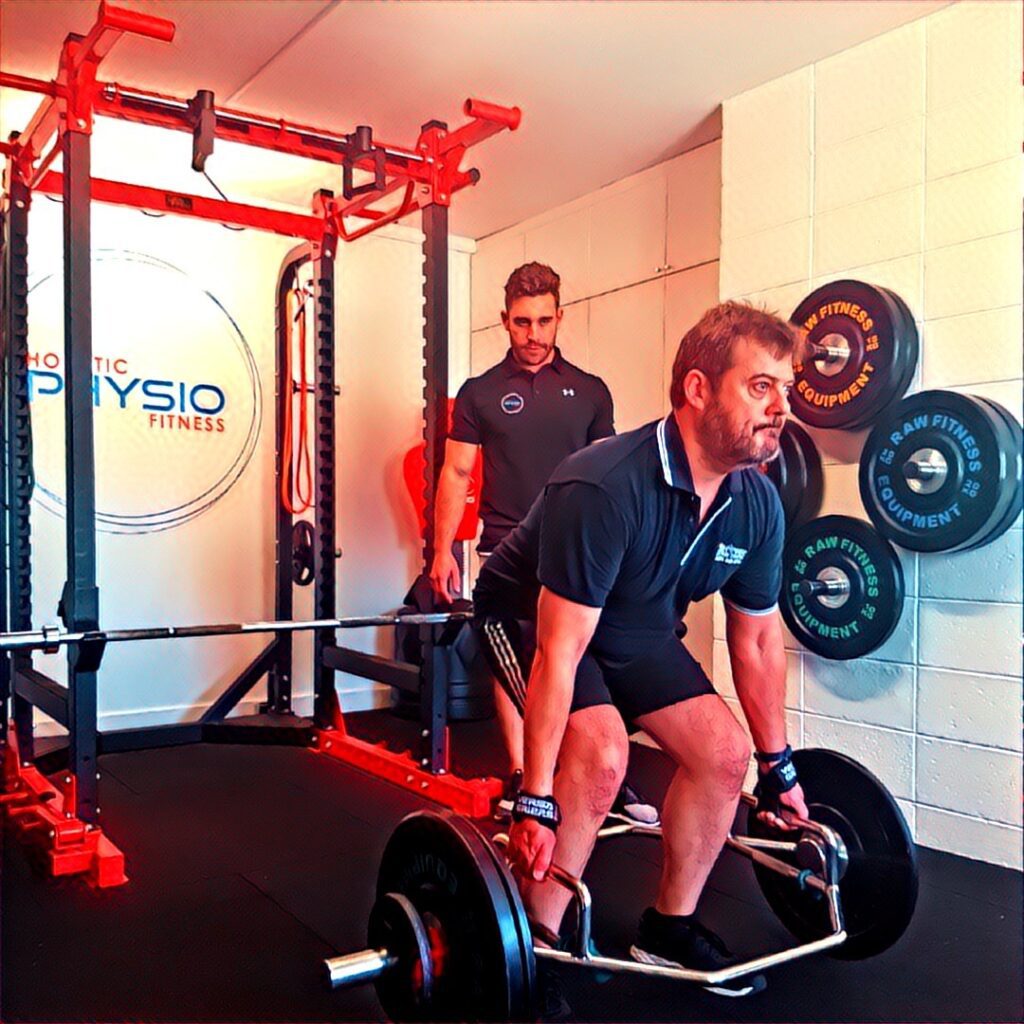
Progressive strength training isn’t just for athletes. It’s an essential physiotherapy strategy backed by strong research, designed to restore tissue capacity, improve movement and reduce flare-ups. Whether you’re recovering from back pain, knee osteoarthritis, a shoulder injury or simply wanting to move better as you age, a structured strengthening program plays a critical role.
Understanding the ‘Capacity’ of Your Body
Every muscle, tendon, joint and ligament has its own level of “capacity” — a threshold of what it can handle without irritation or injury. When capacity drops due to injury, inactivity or age-related changes, tissues become less tolerant to everyday load, and pain often appears.
Physiotherapy uses strengthening to rebuild tissue capacity, making your body more resilient so you can walk, lift, work and exercise without fear of symptoms returning.
The Science Behind Why Strengthening Works
1. Tendon and Muscle Adaptation
Tendons thicken and strengthen with consistent loading, while muscles improve their fibre size, control and endurance. This makes them significantly more tolerant to physical stress.
2. Better Joint Support and Stability
Stronger muscles act like shock absorbers, reducing pressure on your joints — especially the spine, hips and knees.
3. Reduced Risk of Re-Injury
Research shows that progressive strength training lowers the risk of recurring injuries across all ages and activity levels.
4. Pain Modulation Through Movement
Movement influences how the nervous system interprets pain. As function improves, pain sensitivity decreases and confidence increases.
Why Physiotherapy Strengthening Is Different to a Gym Program
Physiotherapy-guided strengthening is highly specific. It is:
- Individualised to your injury, goals and capacity
- Progressive, with load increasing safely over time
- Research-based, not a generic gym routine
- Monitored closely so exercises change as you improve
Our team of Physiotherapists and Exercise Physiologists work together to ensure each program is safe, targeted and designed for measurable results. Learn more about our approach here.
When Should You Start Strengthening?
Earlier than most people think. Research strongly shows that early, appropriate loading leads to:
- Faster recovery
- Better long-term outcomes
- Reduced stiffness
- Improved confidence and mobility
You usually don’t need to stop moving — you just need expert guidance to manage load correctly. Our Exercise Physiologists specialise in this. Find out more here.
Strength Training for Lifelong Health
Strength work becomes more important as we age. It helps with:
- Balance and fall prevention
- Bone density
- Metabolic health
- Mobility and independence
A stronger body is a more resilient body — at every age.
Need Help Getting Started?
If you’re dealing with pain, an injury, or simply want professional guidance, our team is ready to help.
Book an appointment and start building a stronger, more capable body.
Or learn more about our team here.