
If you are experiencing pain, recovering from an injury or trying to improve your strength and health, you may be unsure whether you should see a physiotherapist or an exercise physiologist. Both professionals use movement and exercise to help people improve their function, but their roles are not identical.
In many cases, the best results do not come from choosing one or the other. They come from using physiotherapy and exercise physiology together at the appropriate stages of your recovery.
At Holistic Physio Fitness in Mona Vale, we combine both services to provide a complete pathway from assessment and early treatment through to strength, fitness and long-term injury prevention.
What Does a Physiotherapist Do?
A physiotherapist is a university-qualified and registered health professional who assesses and treats problems affecting movement and physical function.
You may benefit from seeing a physiotherapist if you have:
-
Back or neck pain
-
A recent sporting injury
-
Joint, muscle or tendon pain
-
Pain following an accident
-
Reduced movement or mobility
-
An injury after increasing your exercise
-
Ongoing pain without a clear explanation
-
Recently undergone surgery
-
Difficulty returning to work, sport or normal activities
Your physiotherapist will assess your symptoms, movement, strength and relevant medical history. This helps identify what may be contributing to your problem and determines the most appropriate treatment plan.
Physiotherapy may include education, movement modification, hands-on treatment and a tailored exercise program. Although hands-on treatment can help reduce pain and improve movement, exercise is often essential for rebuilding your capacity and producing lasting improvement.
What Does an Exercise Physiologist Do?
An Accredited Exercise Physiologist is a university-qualified allied health professional who specialises in using exercise to manage injuries, disabilities and chronic or complex health conditions.
Exercise physiology may be appropriate if you want to:
-
Improve your strength, mobility or fitness
-
Continue rehabilitation after the early stages of an injury
-
Manage persistent pain
-
Exercise safely with a chronic health condition
-
Improve your balance and reduce your risk of falling
-
Build or maintain bone density
-
Prepare for or recover from surgery
-
Return to work, sport or recreational activity
-
Maintain your independence as you age
-
Begin exercising when you are unsure what is safe
An exercise physiologist does much more than supervise a workout. They assess your current capacity and develop an individual program that considers your health, symptoms, goals, exercise experience and physical limitations.
The program should also progress over time. As your body adapts, exercises need to be adjusted so that you continue to improve without being pushed beyond what is appropriate.
What Is the Main Difference?
Physiotherapists and exercise physiologists have overlapping skills, but they often focus on different stages and aspects of care.
A physiotherapist is commonly involved when a condition needs to be assessed, when pain is limiting movement or when you are in the earlier stages of recovering from an injury or operation.
An exercise physiologist commonly focuses on structured exercise rehabilitation, physical conditioning and the longer-term management of injuries and health conditions.
A simple way to think about it is:
-
Physiotherapy helps determine what is wrong, settle symptoms and begin rehabilitation.
-
Exercise physiology helps progressively rebuild your physical capacity and maintain the improvements.
This is not a strict dividing line. Both professions use exercise, and both can be involved throughout your recovery. The most appropriate service depends on your individual circumstances rather than simply how long you have had the problem.
When Should Physiotherapy and Exercise Physiology Work Together?
Pain improving does not always mean that rehabilitation is complete.
A person may feel better during everyday activities but still lack the strength, mobility, balance or physical capacity required for work, sport or more demanding exercise. Returning to full activity before rebuilding these qualities can leave the person underprepared.
Combining physiotherapy and exercise physiology can help create a more complete rehabilitation process:
-
Assessment: Your condition, symptoms, movement and goals are assessed.
-
Early treatment: Pain and movement restrictions are addressed while suitable exercises begin.
-
Progressive rehabilitation: Strength, mobility, balance and fitness are gradually rebuilt.
-
Return to activity: Your program becomes more specific to your work, sport and normal lifestyle.
-
Long-term prevention: Exercise continues to improve resilience, general health and confidence.
This approach helps bridge the gap between feeling slightly better and being genuinely prepared for the activities that matter to you.
Do I Need to Wait Until I Am Pain-Free to Exercise?
In many cases, no.
Complete rest may occasionally be needed for a short period, but avoiding movement for too long can lead to reduced strength, fitness and confidence. For many musculoskeletal conditions, appropriately selected and carefully progressed exercise forms an important part of recovery.
The key is finding the right amount of exercise.
Your program should be challenging enough to encourage improvement without repeatedly causing excessive aggravation. Some mild discomfort may be acceptable during rehabilitation, depending on the condition, but significant or worsening symptoms should be reviewed by your treating professional.
A physiotherapist or exercise physiologist can help determine which movements are appropriate, how much you should do and how quickly your program should progress.
Why a Gym-Based Rehabilitation Clinic Can Help
Rehabilitation can begin with simple exercises, but long-term progress frequently requires more resistance, movement variety and equipment.
Access to a properly equipped rehabilitation gym allows exercises to be modified for different ability levels and progressively advanced as your capacity improves. It also makes it easier to prepare for the physical demands of daily life, work, recreation or sport.
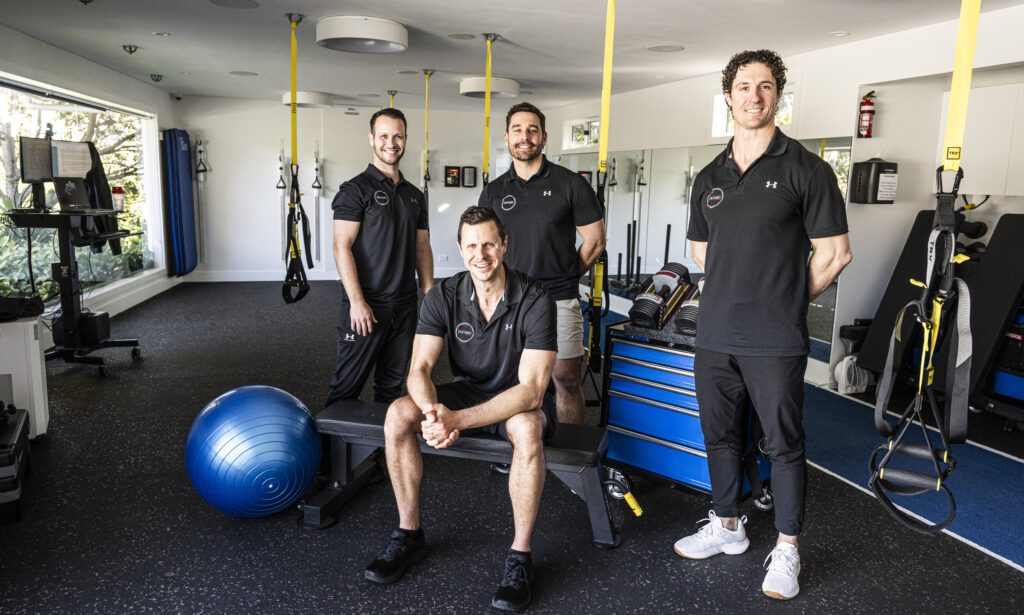
Holistic Physio Fitness has extensive clinical gym facilities at our Mona Vale clinic. This allows our physiotherapists and exercise physiologists to move beyond basic treatment-room exercises and provide progressive, individualised rehabilitation in a supervised environment.
Which Professional Should I Book First?
A physiotherapy assessment is usually a sensible starting point when:
-
You have a new or unexplained pain
-
You have recently injured yourself
-
Pain is significantly limiting your movement
-
You are unsure what is causing your symptoms
-
You need an assessment before beginning rehabilitation
-
Your symptoms are changing or becoming worse
An exercise physiology assessment may be the best starting point when:
-
You have an established diagnosis or stable condition
-
You want a structured exercise program
-
You are managing a long-term health condition
-
You need to improve strength, balance, mobility or fitness
-
You have completed early rehabilitation but are not back to full capacity
-
You want professional guidance to exercise safely
If you are uncertain, contact our team. We can help direct you towards the most appropriate appointment.
Physiotherapy and Exercise Physiology in Mona Vale
At Holistic Physio Fitness, we believe rehabilitation should continue beyond short-term symptom relief.
Our Mona Vale clinic combines physiotherapy, exercise physiology and extensive gym facilities to help people progress from pain or injury towards better strength, movement and long-term health.
Whether you are recovering from an injury, managing an ongoing condition or trying to return to the activities you enjoy, your treatment should be individualised, progressive and built around meaningful goals.
To arrange an appointment with a physiotherapist or exercise physiologist in Mona Vale, book online or call Holistic Physio Fitness on (02) 9999 6666.
Frequently Asked Questions
Can I see an exercise physiologist without seeing a physiotherapist first?
Yes. You can book an exercise physiology appointment directly. However, a physiotherapy assessment may be recommended first if you have a new injury, unexplained pain or symptoms that require further assessment.
Do exercise physiologists treat injuries?
Exercise physiologists can prescribe and supervise exercise for injury rehabilitation. A physiotherapist may be more appropriate during the initial assessment or acute stage, particularly when the diagnosis is unclear or pain is significantly restricting movement.
Can a physiotherapist give me an exercise program?
Yes. Exercise prescription is an important part of physiotherapy. Exercise physiologists have a particular focus on developing, progressing and supervising exercise programs for rehabilitation and long-term health management.
Which professional is better for chronic pain?
Either may be involved. Physiotherapy can help assess the condition and address movement limitations, while exercise physiology can help gradually rebuild strength, capacity and confidence. Combined care is often valuable when pain has persisted for a long time.
Where is Holistic Physio Fitness located?
Holistic Physio Fitness is located at 84 Barrenjoey Road, Mona Vale NSW 2103, on Sydney’s Northern Beaches.