
When injury strikes — whether from weekend sport, commuting mishaps, or an overenthusiastic gym session — the path to recovery isn’t just about “waiting it out”. At Holistic Physio Fitness in Mona Vale, we believe in a smarter, more sustainable approach: one that integrates physiotherapy, exercise physiology, education, and prevention. In this post, we’ll explore how a holistic method accelerates healing, reduces recurrence, and helps you get back to the beach, bush walks or everyday life better than before.
Why a Holistic Approach Matters (Not Just Band-Aid Fixes)
Many local practices offer “quick fixes” — a few sessions of manual therapy or passive modalities, then a handout of exercises and a “see you later”. At Holistic Physio Fitness, we take the opposite view: true recovery comes from addressing why injuries happen, not just where they hurt.
Key elements of our holistic model:
-
Individualised assessment — We don’t just spot pain, we assess movement, strength, posture, functional demands (surfing, walking the coastal tracks, lifting toddlers, whatever your life throws at you).
-
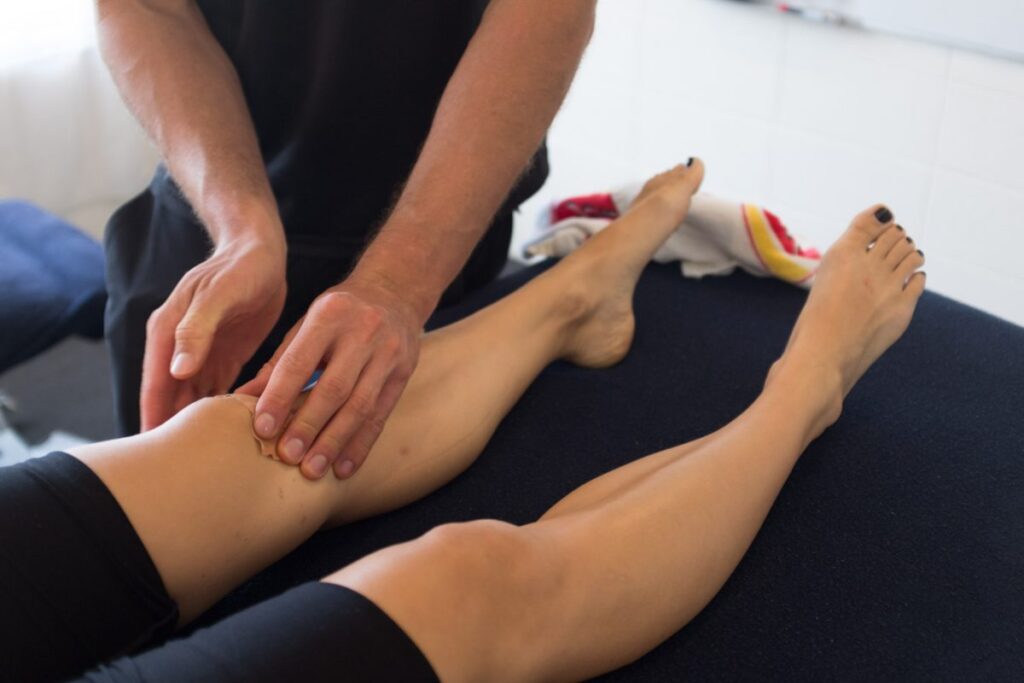
Multi-modal care — manual therapy, dry needling, soft tissue release, joint mobilisation, as needed, combined with targeted exercise.
-
Progressive rehab & load management — once inflammation and pain are controlled, we guide you through strength, neuromuscular control, and graded return to activity.
-
Education & self-management — we empower you with strategies to reduce recurrence: movement habits, ergonomic adjustments, warm-ups and load pacing.
-
Prevention & longevity focus — maintaining strength, mobility, bone health, balance, and conditioning for life, not just for “getting over” an injury.
Because we combine Physiotherapy + Exercise Physiology + Personal Training under one roof, you won’t get siloed care — we co-ordinate your healing across disciplines.
Common Injuries Locally & How We Tackle Them
On the Northern Beaches, certain complaints crop up regularly: lower back pain, shoulder strains (often from swimming, paddling), knee issues from running or bush walking, and overuse injuries among weekend warriors. Here’s how our holistic approach works for common scenarios:
-
Lower back strain / disc irritation
Early: pain relief, mobility, unloading.
Mid: core control, dynamic stability, hip strengthening.
Late: functional movement, lifting mechanics, graded return to activity. -
Rotator cuff / shoulder impingement
Early: reduce painful movements, manual therapy, gentle mobility.
Mid: scapular control, rotator cuff training, progressive loading.
Late: sport-specific loading (e.g. paddling, swimming) and prevention strategies. -
Knee pain / patellofemoral pain
Correct movement patterns (squat, lunge), strengthen glutes, hip, and quads; manage running/training load; return to trails with progressive loading. -
Tendinopathy (achilles, shoulder, hip, elbow)
Use effective loading protocols (eccentric, isometric phases), manage contributing factors (footwear, biomechanics, volume), and monitor training load.
In every case, we tailor to you — your history, your goals, your sport, your lifestyle. No cookie-cutter programs.
How Holistic Care Speeds Recovery & Prevents Recurrence
Here’s why the holistic approach often leads to better outcomes:
-
Early intervention + load control
Aggressive rehab too soon often backfires. We modulate load to promote healing, not provoke flare-ups. -
Balanced strength & mobility
Pain often hides deficits: weak glutes, poor hip control, stiff thoracic spine. Holistic programs restore balance. -
Motor control & movement quality
Relearning how to move is often more important than brute strength. This reduces compensatory patterns. -
Integration with daily life and sport
Rehab stays relevant only if it links to your actual activities — walking, parenting, surfing, gardening, work tasks. -
Education = long-term benefit
Understanding how your body works, how to pace, how to warm up, how to spot early warning signs — these reduce relapse.
Why Mona Vale & Northern Beaches Residents Love Our Approach
-
Convenience and capacity — at 84 Barrenjoey Road, Mona Vale, we offer large clinic space, two gyms, a Pilates room and private treatment rooms.
-
Multi-qualified team — practitioners hold qualifications in physiotherapy, exercise physiology, personal training, DEXA scanning, dry needling, and more.
-
Evidence-based & community grounded — our therapists teach, keep up with research, and combine global best practice with local understanding.
-
Holistic services under one roof — from injury rehab to fitness to longevity and bone health (DEXA).
-
Caring & supportive environment — many local testimonials remark on how comfortable, responsive and client-centred our care is.
Tips You Can Use Today to Boost Recovery (Before Your First Appointment)
-
Move smart, not hard — avoid extremes of movement, but don’t immobilise completely.
-
Manage load & rest — reduce aggravating activities, but keep gentle movement in pain-free ranges.
-
Apply the “3-R” rule — Rest appropriately, Resume gradually, Reassess often.
-
Warm up & mobilise — 5–10 min gentle movement before heavier tasks.
-
Start gentle strength — even 1–2 sets of basic core, glute or scapular holds (pain-free) can help.
-
Track small wins — keep a journal of your pain, movement, loading progress.
These steps aren’t replacements for guided rehabilitation, but they set the stage for faster outcomes.
How to Get Started with Us in Mona Vale
-
Book a comprehensive assessment — we’ll map your injury, movement, strength deficits and goals.
-
Receive a tailored rehab plan — combining manual therapy, exercise, load progression and education.
-
Ongoing support & progression — we adjust as you improve and help you return safely to full activity.
-
Maintenance & prevention — after recovery, we help you stay strong, balanced and resilient for the future.
If you’re in Mona Vale, Northern Beaches or the surrounding areas and want a smarter, more sustainable path to recovery, reach out. Holistic care is not just a buzzword for us — it’s how we help you stay healthier, stronger, and more capable than ever.

When diagnosed with cancer, the journey ahead can feel daunting. With the physical and emotional challenges that come with treatment, many people often wonder how they can maintain their strength and quality of life. One powerful tool that’s gaining recognition in cancer care is exercise. From maintaining muscle mass during chemotherapy to improving overall well-being, exercise has shown to provide significant benefits for cancer patients. Exercise physiology plays a key role in understanding these benefits and developing safe, effective exercise programs tailored to each individual’s needs.
Why is Exercise Important for Cancer Patients?
Cancer treatment, such as chemotherapy, radiotherapy, and surgery, can be physically taxing. Patients often experience fatigue, muscle wasting, weight loss, and a decrease in strength and endurance. These effects can have a significant impact on daily activities and overall quality of life. However, research shows that exercise can help mitigate these side effects, improving both physical and emotional health.
Exercise can be defined as any planned, structured, and repetitive physical activity that improves or maintains physical fitness. For cancer patients, regular exercise helps reduce the impact of cancer-related fatigue, boosts energy levels, strengthens the immune system, and supports the maintenance of muscle mass and bone density. Exercise physiology focuses on understanding the body’s response to physical activity, and this knowledge is crucial when designing exercise programs for cancer patients.
Maintaining Muscle Mass During Chemotherapy
One of the most concerning effects of chemotherapy is muscle wasting, also known as cancer cachexia. This condition leads to a significant loss of muscle mass and strength, which can worsen fatigue and limit mobility. Chemotherapy targets rapidly dividing cells, which include not only cancer cells but also healthy cells, such as those in muscles. As a result, patients often experience a loss of lean body mass, making it harder to perform everyday tasks.
Exercise, particularly resistance training, has been shown to be effective in countering muscle loss and promoting muscle retention during chemotherapy. Studies have found that engaging in strength-based exercises, such as lifting weights or using resistance bands, can stimulate muscle growth and prevent further deterioration. The key is to start at a manageable level and gradually increase intensity, ensuring that the body is not overstressed.
Exercise physiology plays an essential role in guiding cancer patients through this process. By designing a program that targets the muscles most affected by treatment, exercise physiologists ensure that patients are engaging in the right exercises in the right way to maintain muscle mass safely. Whether through resistance training, functional movement exercises, or even bodyweight exercises, staying active can help patients preserve their strength during treatment.
The Psychological Benefits of Exercise for Cancer Patients
Aside from the physical benefits, exercise also has a profound impact on mental health. A cancer diagnosis and the stress of treatment can lead to feelings of anxiety, depression, and isolation. Exercise has been shown to improve mood, reduce stress, and help manage symptoms of depression, which are common among cancer patients.
Endorphins, the body’s natural mood-boosting chemicals, are released during exercise, promoting a sense of well-being. Furthermore, the routine and sense of accomplishment associated with exercise can foster a sense of control, which is often lost during the cancer journey. These psychological benefits, in turn, can improve adherence to treatment and enhance overall quality of life.
Reducing the Risk of Cancer Recurrence
Research also suggests that regular exercise can help reduce the risk of cancer recurrence. Studies have shown that patients who engage in moderate physical activity after cancer treatment may experience a lower risk of their cancer returning, particularly in breast, colon, and prostate cancer survivors. Exercise can improve immune function, regulate hormones, and reduce inflammation—all factors that play a role in cancer progression.
While more research is needed to fully understand the mechanisms behind this relationship, the evidence so far is promising. For cancer survivors, staying active can be an important step in long-term health management.
Building a Safe and Effective Exercise Program
When it comes to exercise for cancer patients, safety is key. Every individual’s situation is unique, so it’s important to tailor exercise plans to the person’s specific needs, treatment stage, and fitness level. Exercise physiology plays a crucial role in this process, using scientific knowledge of how the body responds to exercise to create a personalised plan that ensures maximum benefit with minimal risk.
The following are some general guidelines for creating an exercise program for cancer patients:
- Start Slow: Begin with low-intensity exercises such as walking, light stretching, or gentle yoga. As strength improves, you can gradually increase the intensity and duration.
- Incorporate Strength Training: Resistance exercises help build muscle mass and counteract muscle loss due to chemotherapy. However, start with lighter weights or resistance bands, and progressively increase as the body adapts.
- Focus on Flexibility and Balance: Cancer treatments can impact flexibility and balance, so incorporating exercises like stretching and balance training can improve coordination and reduce the risk of falls.
- Stay Hydrated and Rested: It’s crucial to listen to your body. Stay hydrated, rest when needed, and ensure that your exercise program is balanced with recovery periods.
- Consult an Exercise Physiologist: Before beginning any exercise regimen, especially during or after cancer treatment, it’s important to consult with a qualified exercise physiologist. They can design a program tailored to your specific needs and ensure that you are exercising safely.
Conclusion
Exercise plays an essential role in managing the side effects of cancer treatment, improving overall physical and mental health, and supporting the maintenance of muscle mass during chemotherapy. Through the guidance of exercise physiology, cancer patients can enjoy a tailored program that helps them stay active and improve their quality of life. Whether you’re currently undergoing treatment or are a cancer survivor, integrating exercise into your routine can provide numerous benefits, supporting your journey towards better health and wellness.
If you or a loved one is going through cancer treatment, don’t hesitate to consult an exercise physiologist to create a plan that works for you. Your body will thank you for it. Read more HERE